
Common Appliance Problems in Watertown Homes
A washing machine that won't drain in a basement laundry room can send water across the floor and toward the foundation before anyone on the first floor notices. In Watertown's older multifamily buildings, that kind of delay turns a simple pump failure into a much bigger cleanup. Across the town's mix of apartments, condos, and single-family homes, the appliance problems we see most often include:
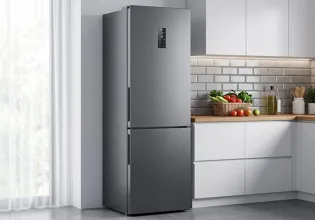
- Refrigerators running warm — often caused by condenser coils caked with dust, especially in kitchens where the fridge is wedged into a tight alcove with almost no airflow behind it.
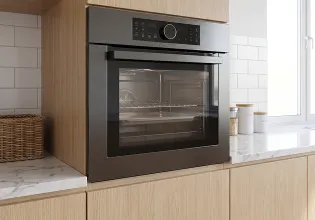
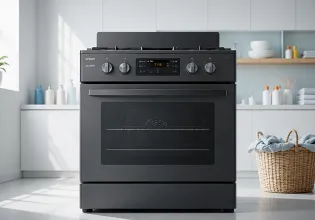
- Gas stoves clicking but not igniting. Usually a clogged igniter or a failing spark module, but in a home with a gas range that hasn't been serviced in years, it's worth checking the burner caps too.
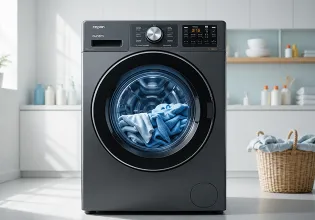
- Washers leaking from the door seal or vibrating hard enough to walk across the floor — common in second- and third-floor units where the machine sits on an uneven surface.
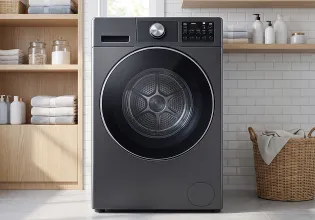
- Dryers that take two full cycles to dry a load. Lint buildup in a long vent run is the usual suspect, particularly when the dryer sits in a basement and the vent exits through an exterior wall several feet away.
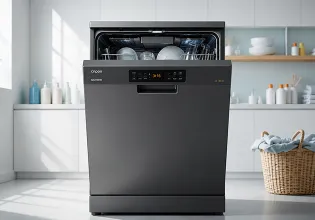
- Dishwashers leaving food residue on dishes or failing to drain completely at the end of a cycle.
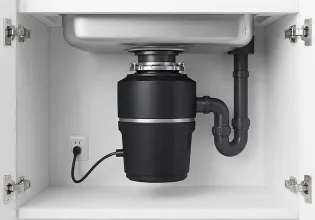
- Garbage disposals that hum but won't spin — sometimes a jammed flywheel, sometimes a burned-out motor.
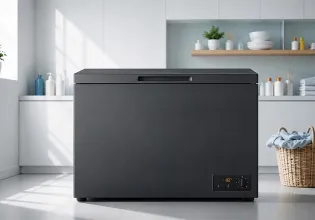
- Freezers building up heavy frost on the back wall, which usually points to a defrost heater or thermostat problem.
Local Utility, Permit, Safety, and Disposal Factors in Watertown
If you need to replace a gas stove, swap out a dishwasher, or install a new dryer in Watertown, permits come into play faster than most homeowners expect. Watertown requires a gas permit for any gas appliance installation or replacement, and the installer has to pull that permit through Watertown Inspectional Services before the work begins. That means if a contractor shows up ready to hook up a new gas range without mentioning a permit, you should ask about it. The same department handles electrical permits — required when an appliance installation involves new wiring or a modified circuit — and plumbing permits for dishwashers, garbage disposals, and washing machines that connect to water supply or drain lines.
Under the Massachusetts state plumbing and gas fitting code, only licensed plumbers and gas fitters can perform that permitted work. The Massachusetts Electrical Code adds a parallel requirement: only licensed electricians can handle permitted electrical connections. So if you're replacing an electric dryer and the new unit needs a different outlet or a dedicated circuit, that's not a DIY job in Watertown — it's a licensed-electrician-plus-permit job. Before you schedule the installation, confirm that whoever does the work holds the right Massachusetts license.
Watertown Inspectional Services
149 Main Street
Watertown, MA 02472
Phone: (617) 972-6450
Official Website
Watertown's water comes from the Massachusetts Water Resources Authority regional system, sourced from the Quabbin and Wachusett reservoirs. Water pressure and quality from the MWRA system can affect how dishwashers fill, how washing machines rinse, and whether a refrigerator ice maker line flows properly. In older Watertown homes, the supply valve behind a refrigerator or under a kitchen sink may be decades old — a corroded saddle valve on a copper line is one of the most common causes of a slow ice maker or a dishwasher that takes too long to fill. Checking that valve before blaming the appliance saves time.
Gas appliance safety is enforced locally by the Watertown Fire Department, which provides fire prevention guidance for gas stoves, ovens, and dryers. Massachusetts law requires carbon monoxide detectors in all residential units, and that requirement matters most in homes with gas appliances. If your CO detector is chirping after a new gas range installation, don't ignore it — have the venting and connections checked. Dryer lint buildup and improper gas appliance venting are recognized fire hazards that the department actively addresses under the Massachusetts Comprehensive Fire Safety Code.
When an appliance can't be repaired and you need to get rid of it, Watertown does not allow residents to simply leave a dead refrigerator or washer at the curb. You have to schedule a pickup appointment through the Watertown bulky item pickup program, administered by the Department of Public Works. Refrigerators and freezers require special handling because of their refrigerants. Plan ahead — if you're waiting on a DPW pickup date, you may have an old appliance sitting in your hallway or driveway longer than you'd like, especially in a multifamily building where hallway space is shared.
What Makes Appliance Repair in Watertown Different
Watertown packs roughly 4.15 square miles with a dense mix of older homes, triple-deckers, condos, and apartment buildings. That density means a technician working here regularly deals with narrow back stairways that a full-size refrigerator barely fits through, basement laundry hookups where the shutoff valve is behind a furnace, and galley kitchens where pulling out a dishwasher requires removing a cabinet trim piece first. A job that takes forty-five minutes in a suburban ranch can take twice that in a Watertown two-family.
The permit and disposal structure adds real steps that neighboring towns handle differently. In Watertown, the combination of Inspectional Services permit requirements for gas, electrical, and plumbing work — plus the DPW's appointment-only bulky item pickup — means that replacing a broken gas dryer involves coordinating a licensed installer, a permit, and a scheduled pickup for the old unit. Skipping any of those steps can create problems with the town. Repair, when it's viable, avoids most of that overhead entirely.
Appliance Replacement and Household Equipment Considerations in Watertown
When repair no longer makes sense — the compressor is gone on a fifteen-year-old refrigerator, or the drum bearings on a dryer have worn through — the replacement process in Watertown involves more than picking out a new model. Start with the old appliance: you can't leave it at the curb. Contact the Watertown Department of Public Works to schedule a bulky item pickup. Refrigerators and freezers with refrigerants need special handling under the program, so mention what you're disposing of when you call.
Watertown Department of Public Works
124 Orchard Street
Watertown, MA 02472
Phone: (617) 972-6420
Official Website
For the new appliance, think about what connections it needs. A gas range replacement requires a gas permit from Inspectional Services, and the installer must be a licensed Massachusetts gas fitter. Swapping an electric stove for a gas model — or vice versa — adds even more: you may need both a gas permit and an electrical permit, plus the right licensed tradespeople for each. Ask your installer to confirm what permits they'll pull before the work starts.
If you're replacing a dishwasher or washing machine that involves changes to the water supply or drain connections, a plumbing permit is required. In many older Watertown kitchens, the drain line under the sink is original to the house, and connecting a new dishwasher to a corroded or undersized drain fitting can cause leaks within weeks. It's worth having the technician inspect the existing connections, not just hook up the new unit and leave.
Massachusetts consumer protection law under Chapter 93A also applies to appliance repair and installation services in Watertown. If a service provider misrepresents the work needed or charges for repairs that weren't performed, homeowners can file a complaint with the Attorney General's office and may be entitled to double or triple damages for willful violations. Keep your receipts and written estimates.
Areas We Serve Throughout Watertown
Watertown is a compact inner suburb of Boston in Middlesex County, bordered by Cambridge, Belmont, Newton, Waltham, and Arlington. We serve homes and apartments across every part of town, including:
- East Watertown — Dense multifamily housing close to the Cambridge line, where dryers in shared basement laundry areas often have long vent runs that collect lint faster than anyone expects.
- Coolidge Square — A mix of older single-family homes and small apartment buildings; kitchens here tend to be compact, and pulling a range out for service sometimes means working around a tight turn radius near the back door.
- Arsenal Street — Newer condo developments sit alongside converted commercial buildings. Condo owners should check with their association before scheduling any installation that requires a gas or plumbing permit, since building access and common-area coordination may be needed.
- Bemis — Mostly residential with a lot of mid-century housing stock. We often see older refrigerators here with supply valves that haven't been turned in years — worth testing before assuming the ice maker itself is broken.
- Saltonstall — Quiet residential streets with a mix of single-family and two-family homes. Basement washer-dryer setups are common, and getting a full-size appliance down a narrow interior staircase usually requires removing the door from its hinges first.
- West End — Borders Waltham and includes some of Watertown's older housing. Gas stove repairs come up frequently here, and homes with original gas lines should have the connections inspected if there's any smell of gas during operation.